Prepare a car photo for a better Studio result
A useful result starts with a clear source photo. These checks help keep your vehicle recognisable.
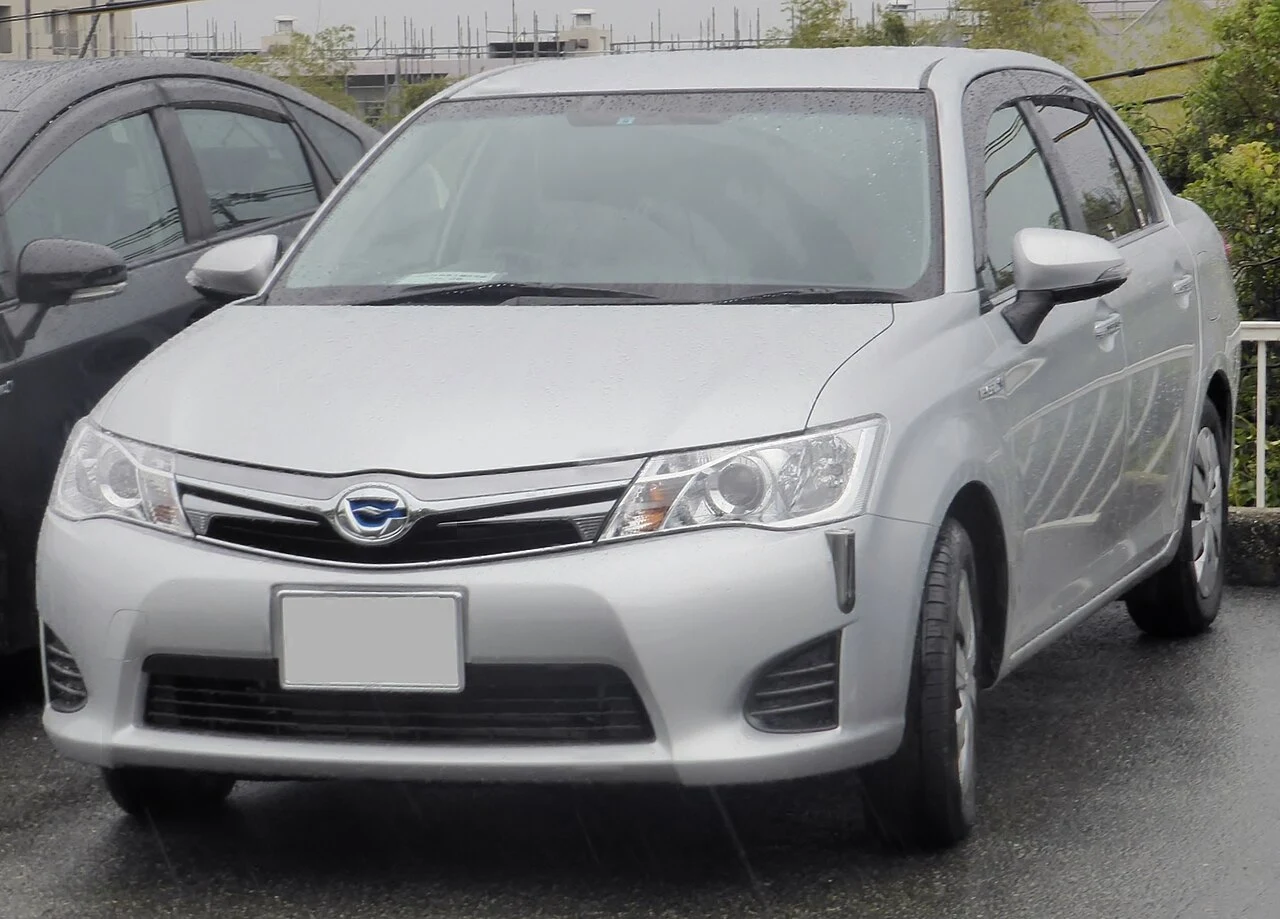
Start with a clear view
Photograph the entire vehicle in even daylight. Leave space around the bumpers and roof, keep the camera level, and avoid reflections that hide body details.
Keep useful detail
Use the original photo instead of a screenshot. Check the lights, wheels and body edges before uploading. Only upload images you own or have permission to use.
A repeatable photo routine
Choose a small set of angles you can repeat for every vehicle: front three-quarter, rear three-quarter, side and interior. Stand far enough away to keep the entire car in frame. A consistent routine makes it easier to compare originals and edited versions, and helps your listing gallery feel deliberate rather than assembled from unrelated pictures.
Choose the edit that solves the problem
If the location distracts from the car, start with Car to Studio or background cleanup. If the scene is useful but the exposure is uneven, choose lighting correction. Changing several things at once makes errors harder to spot. Keep the first edit focused, then decide whether another version adds useful information for the buyer.
Use references with a clear purpose
For a studio background, choose an empty scene with plausible lighting and a camera angle that suits your vehicle photo. For wheel replacement, provide a sharp reference showing the desired design. These images guide appearance; they cannot confirm dimensions, bolt patterns or fitment. Keep those technical checks separate from the visual comparison.
Build a gallery you can trust
Keep the original files alongside the final versions. Review fine details at a comfortable size, especially lettering, glass edges and wheel spokes. A listing should still describe the actual vehicle accurately. When showing a planned modification, identify it clearly as a concept and include an unmodified photograph so a reader understands what is real.
Review before publishing
Compare the result with the original. Confirm the model, paint, wheels, number plate treatment and visible condition. Label imagined modifications as a visualisation and do not present them as installed equipment.